China’s Viral New App Is a Safety Tool Called ‘Are You Dead?’
A Chinese safety app bluntly named “Are You Dead?” has gone viral for checking whether people living alone are still alive, leading its developers to introduce a subscription fee and consider changing the app’s name.
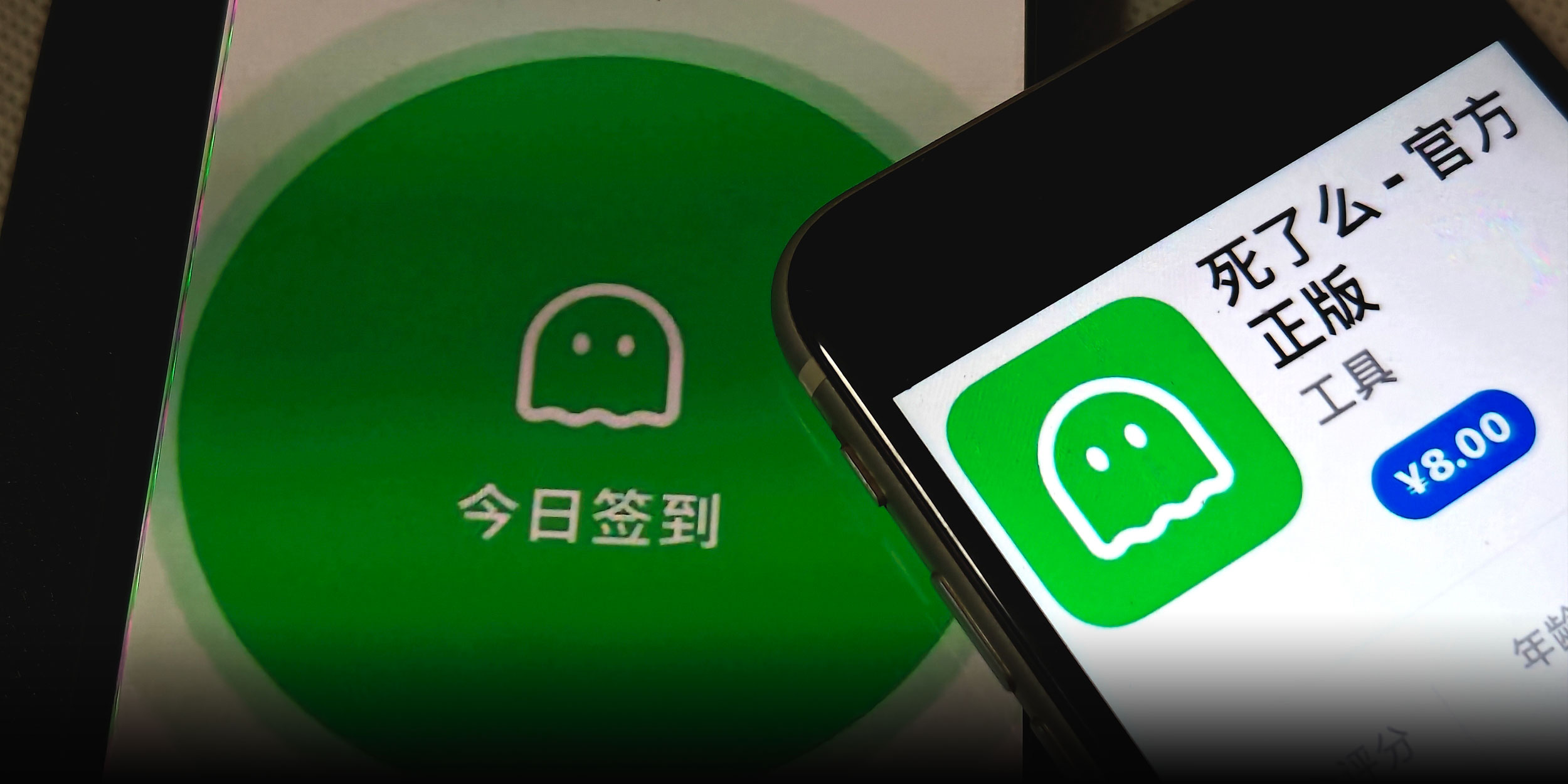
The app, called “Are You Dead?” — or Sileme in Chinese, a pun on food delivery platform Eleme — climbed to the top of Apple’s paid app chart in China in early January, with downloads surging sharply as users shared screenshots and reactions on social media.
The sudden popularity comes amid a rise in solo living in China. According to the 2024 China Statistical Yearbook, one-person households accounted for 17.8% of sampled households in 2023, a demographic shift that has fueled demand for services aimed at people living alone. It is estimated that by 2030, there will be 150-200 million Chinese living alone.
The app, known as Demumu abroad, functions as a daily check-in. Users input emergency contacts, then press the check-in button on the interface’s home screen each day. If a user misses two consecutive check-ins, the app alerts their contacts via email.
In an online statement on Sunday, the development team behind the app announced it would introduce a subscription fee set at about 8 yuan (roughly $1) to cover rising operating costs such as SMS notifications and server expenses. The team also said it was open to changing the app’s name following user feedback.
The developers said they would focus on refining the product, including better notifications, exploring a message-leaving feature, and developing versions more accessible to elderly users. They also said they were open to engaging with potential investors to support long-term development.
“We wish to call upon more people to pay attention to those living alone, offering them greater care and understanding…they deserve to be seen, respected, and safeguarded,” the statement said.
On microblogging platform Weibo, netizens debated the app’s name, with some seeing no need for a name change as they found it “good to directly confront the topic of death.” Others found the name too blunt and have proposed alternatives such as “Are You Alive?” or “Are You Still There?”
As “Are You Dead?” has surged in popularity, copycat apps have also entered the market, sporting names like “Still Alive?” “Are You Dead? The Newest Version.”
One of the app’s three founders, identified only by the surname Lü, told domestic media that the team, all born after 1995, developed the app remotely in about a month after identifying the demand online. He said growth had been rapid and that the company intends on raising $500,000 moving forward.
Addressing the debate online, Lü said the team had not been contacted by authorities about the app’s name. While acknowledging that death remains a sensitive topic, he defended the framing.
“Death is something everyone must face,” he said. “Only when people understand that they will die can they better face the present.”
Editor: Marianne Gunnarsson.
(Header image: VCG)